.png)
Roof Hail Damage: What Texas Homeowners Should Do After a Storm

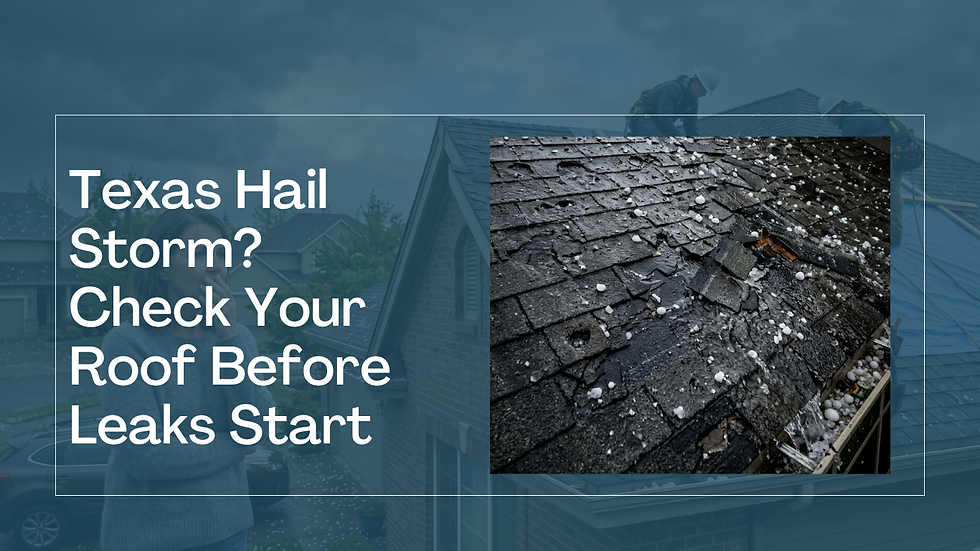
Texas storms can go from light rain to damaging hail in just a few minutes. One storm is all it takes to loosen shingles, dent metal roofing, damage gutters, and create leaks that may not show up until weeks later.
The problem is that most roof damage isn’t obvious from the ground. Many homeowners assume everything is fine because they don’t see water dripping inside their home right away.
Unfortunately, hidden hail damage can shorten the life of your roof and lead to much bigger repairs later on.
At Kanaman Roofing & Construction, we’ve helped homeowners across the Dallas–Fort Worth area inspect and repair storm damaged roofs for over 40 years. In this article, you’ll learn what hail damage looks like, what steps to take after a storm, and when it’s time to schedule a professional inspection.
By the end of this article, you’ll learn:
What hail damage looks like on a roof
How hail affects asphalt shingles and metal roofing
Signs your roof may have hidden storm damage
What to do after a hailstorm hits your area
What Does Hail Damage Look Like on a Roof?
Hail damage can look different depending on the roofing material, the size of the hail, and the strength of the storm.
On asphalt shingles, hail usually leaves dark spots, bruising, or small circular impact marks where the protective granules have been knocked away. In stronger storms, shingles may crack, tear, or loosen completely.
Metal roofs often show dents or impact marks after a hailstorm. While some dents are cosmetic, larger impacts can damage seams, fasteners, or protective coatings.
Common signs of hail damage include:
Missing shingles
Granules collecting in gutters
Soft spots on shingles
Dented flashing or vents
Water stains on ceilings
Bent or damaged gutters
Exposed roofing layers
Even minor-looking damage can create future leaks if it’s ignored.

Can Hail Damage Cause Roof Leaks Later?
Yes. In many cases, hail damage doesn’t cause immediate leaks.
A roof may still shed water normally after a storm, but damaged shingles and exposed areas weaken the system over time. As Texas heat, wind, and rain continue hitting the roof, those weak spots eventually turn into leaks.
That’s why many homeowners don’t realize they have storm damage until months later when they notice:
Ceiling stains
Mold or mildew smells
Bubbling paint
Water spots in the attic
Increased energy bills from poor ventilation
The sooner storm damage is found, the easier and less expensive repairs usually are.
Should You File an Insurance Claim for Hail Damage?
Not every storm requires an insurance claim, but significant hail damage often does.
If your roof has enough storm-related damage, your homeowner’s insurance policy may help cover repairs or even a full roof replacement depending on the age and condition of the roof.
Before filing a claim, it’s important to have the roof inspected by an experienced roofing contractor who understands storm damage documentation.
A professional inspection can help determine:
Whether the damage is cosmetic or functional
If repairs are possible
Whether a full replacement makes more financial sense
What information insurance adjusters typically look for
Trying to guess the extent of storm damage from the ground usually leads to missed problems.
How Soon Should You Inspect Your Roof After a Storm?
The best time to inspect your roof is as soon as it’s safe after the storm passes.
Waiting too long can allow small issues to worsen, especially during storm season in Texas. Water intrusion, lifted shingles, and flashing damage can spread quickly with repeated rain and heat exposure.
Even if your roof looks fine from the street, a professional inspection may reveal damage that isn’t visible without getting on the roof.
After a major hailstorm, many homeowners in the Dallas–Fort Worth area schedule inspections simply for peace of mind.
What Happens During a Roof Inspection?
A professional roof inspection usually includes:
Checking shingles, flashing, vents, and ridge caps
Looking for hail impact marks
Inspecting gutters and drainage systems
Examining attic ventilation and moisture signs
Taking photos of storm-related damage
Providing recommendations for repairs or replacement
At Kanaman Roofing & Construction, we focus on honest inspections without pressure or confusing sales tactics. Sometimes the roof only needs minor repairs. Other times, storm damage is severe enough that replacement becomes the safer long-term option.
What Should You Do After a Hailstorm?
If your neighborhood experiences hail or strong winds, here are the best next steps:
Walk around your home safely and look for visible damage.
Check gutters, downspouts, siding, and windows for impact marks.
Look for ceiling stains or attic moisture inside your home.
Take photos of any visible storm damage.
Schedule a professional roof inspection before problems get worse.
Avoid climbing onto the roof yourself after a storm unless you have proper safety equipment and experience.
Need a Roof Inspection After a Texas Storm?
Hail damage isn’t always obvious right away, but catching it early can help prevent costly repairs later.
If you think your roof may have storm damage, the team at Kanaman Roofing & Construction provides professional roof inspections for homeowners throughout the Dallas–Fort Worth area.
Whether your roof needs a small repair or a full replacement, knowing the condition of your roof is the first step toward protecting your home.
Comments